Compare Local Contractors for Antique Furniture Restoration Success
Compare local contractors for antique furniture restoration to define project scope, verify experience, and establish clear expectations in writing for successful results.
Antique furniture restoration services typically encompass a range of specialized tasks aimed at preserving and revitalizing historic or valuable pieces. This work can include repairing structural damage, restoring finishes, replacing missing parts, and addressing issues caused by age or wear. Restorers often employ techniques that respect the original craftsmanship and materials, ensuring that the piece retains its authentic character while being stabilized for continued use or display. When planning a restoration, property owners should consider the specific needs of their furniture, such as the types of wood, finishes, and construction methods involved, to ensure the right expertise is engaged.
Clearly defining the scope of work is essential for achieving the desired outcome and avoiding misunderstandings. A detailed scope outlines the specific tasks to be performed, the condition of the furniture beforehand, and the expected results. This clarity helps property owners communicate their expectations effectively and ensures service providers understand the extent of the project. Documenting scope details in writing also provides a reference point throughout the process, facilitating transparency and accountability. Whether it involves minor touch-ups or extensive structural repairs, a well-defined scope helps ensure that everyone is aligned on the work to be completed.
Property owners can compare local contractors by evaluating their experience with antique furniture, reviewing their portfolios or references, and assessing their communication approach. It’s important to ask about the types of pieces they have worked on and their familiarity with different restoration techniques. Comparing how service providers approach scope, their attention to detail, and their ability to explain the process can help determine their suitability for the project. Additionally, verifying that contractors are clear about their process and willing to put the scope of work in writing can provide peace of mind. Taking these steps helps ensure that the chosen service provider is well-equipped to handle the unique requirements of antique furniture restoration.
Compare local contractors by outlining your project priorities, verifying experience, and establishing clear written expectations.
- Experience Verification - Confirm that contractors have relevant experience in antique furniture restoration.
- Scope Definition - Clearly outline the restoration work and expectations in written agreements.
- Comparison of Contractors - Evaluate multiple service providers based on their expertise and service offerings.
- Written Agreements - Ensure all project details, responsibilities, and expectations are documented clearly.
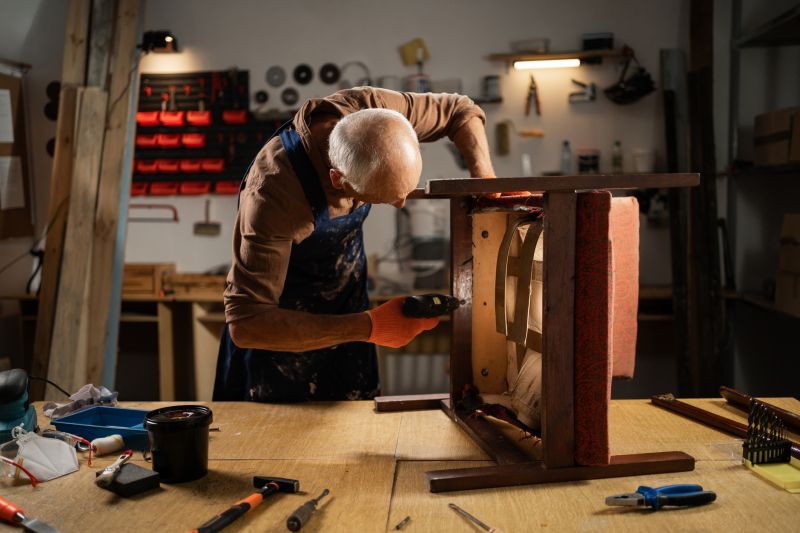
Clearly describe your antique furniture restoration project to effectively compare local contractors, verify experience, and set expectations in writing.
- Verify the contractor’s experience with antique furniture restoration to ensure familiarity with period-specific techniques. - Look for service providers who clearly define the scope of work and restoration approach in writing.
- Assess the contractor’s knowledge of proper materials and methods to maintain the piece’s historical integrity. - Confirm that the service provider can explain the restoration process and materials used.
- Check references or reviews to gauge the contractor’s track record with similar projects. - Ensure the contractor can provide examples of past antique restoration work.
- Ensure the scope of work, including repairs and finishes, is detailed and agreed upon in a written agreement. - Clarify what is included and what is excluded from the restoration project upfront.
- Compare multiple service providers to evaluate their experience, scope, and communication style before making a decision. - Use comparisons to find a contractor whose approach aligns with the restoration needs.
- Discuss and document expected outcomes and any limitations to set clear expectations for the project. - Establish a shared understanding of what the finished restoration will entail.
Compare local contractors' experience and services to clearly define your antique furniture restoration scope.

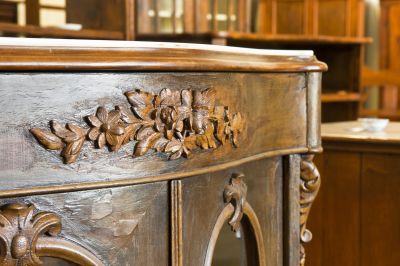
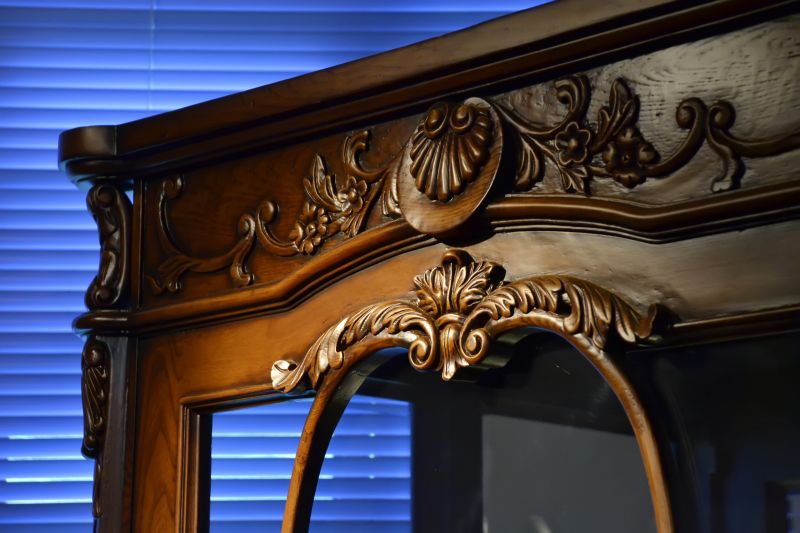
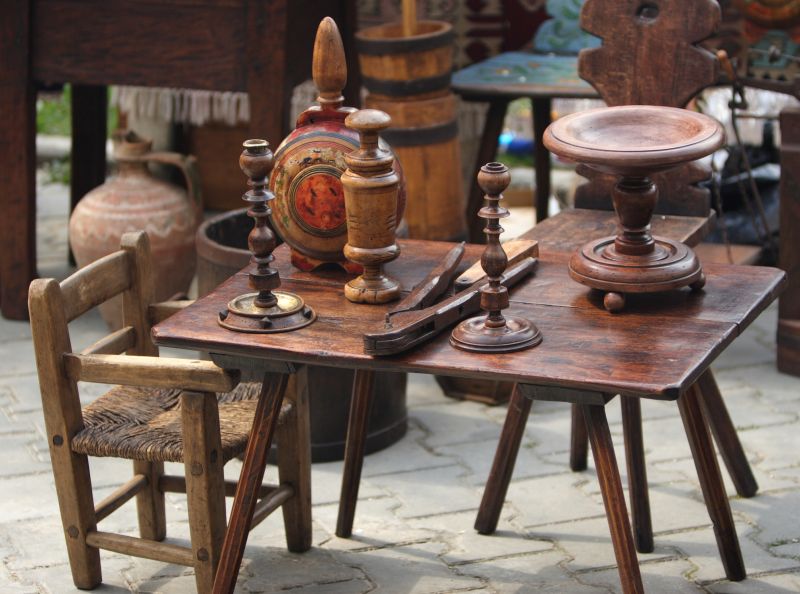
Consistent comparison of local contractors' scope, experience, and written expectations helps ensure reliable antique furniture restoration.
- Define the scope of restoration work - clearly outline the specific repairs, refinishing, or conservation tasks needed for the furniture.
- Verify experience with antique furniture - identify service providers with a proven track record in restoring similar pieces.
- Assess the materials and techniques used - ensure the methods and products align with the furniture’s age and value.
- Establish detailed, written project expectations - document the work to be performed, including finishes, repairs, and preservation methods.
- Compare local contractors’ expertise and reputation - evaluate their backgrounds and reviews to find qualified service providers.
When evaluating contractors for antique furniture restoration, it’s important to consider their experience with similar projects. Homeowners should inquire about the types of furniture they have previously restored and ask for examples of past work that align with the specific piece or style in question. A contractor with a proven track record in antique restoration will be familiar with the delicate techniques, materials, and historical details necessary to preserve the piece’s integrity and value. Verifying their background in handling similar projects helps ensure that the service provider understands the unique challenges associated with antique furniture.
A clear, written scope of work is essential to establish mutual understanding and set expectations. Homeowners should seek detailed descriptions of the restoration process, including the methods to be used, materials involved, and the specific areas that will be addressed. A comprehensive scope helps prevent misunderstandings and provides a basis for evaluating whether the contractor’s approach aligns with the owner’s goals. It is advisable to request this scope in writing and review it carefully before proceeding, ensuring that all aspects of the project are explicitly outlined.
Verification basics involve confirming the credentials and reputation of potential service providers. Homeowners should look for local contractors with established experience in antique furniture restoration and seek references or testimonials from previous clients. Asking about the contractor’s familiarity with different furniture styles and their approach to conservation can provide insight into their expertise. Additionally, verifying the contractor’s history of completing projects similar in scope and complexity helps build confidence that they are capable of handling the specific requirements of the restoration.
When comparing options, it is helpful to evaluate how each contractor communicates and the clarity of their proposals. Consider how well they articulate the scope of work, the methods they plan to use, and the timeline for completion-if applicable. Focus on the professionalism of their written proposals, their responsiveness to questions, and their willingness to provide detailed information about their experience and approach. By thoroughly reviewing these aspects, homeowners can make informed decisions based on the quality of the service provider’s communication and demonstrated expertise, rather than price alone.
Ask for written scope and details to ensure clarity and consistency when comparing local contractors for antique furniture restoration.
- Experience - What specific experience do local contractors have with antique furniture restoration projects?
- Scope of Work - How do contractors define and document the scope of restoration services to ensure clarity?
- Materials & Techniques - What materials and restoration techniques do local service providers typically use for antique pieces?
- Previous Work - Can contractors provide examples or references of past antique furniture restoration projects?
- Warranty & Guarantees - How do local contractors handle warranties or guarantees to cover restoration work quality?
How can I compare antique furniture restoration contractors? To compare contractors, review their experience with similar pieces, ask about their restoration techniques, and request references or examples of previous work to assess quality and expertise.
What should I clarify when defining the scope of restoration work? Clearly outline the specific pieces involved, the types of repairs or refinishing needed, and any preservation requirements to ensure the contractor understands the project expectations.
How can I verify a contractor’s experience with antique furniture? Ask about their background in antique restoration, request details of past projects, and look for specialists who demonstrate familiarity with the styles and materials relevant to your furniture.
What is important to include in a written agreement with a contractor? Ensure the scope of work, materials to be used, project expectations, and any special considerations are documented clearly to prevent misunderstandings later.
How do I know if a contractor is knowledgeable about antique furniture? Review their portfolio, inquire about their restoration methods, and seek references that can confirm their expertise in handling delicate and historically significant pieces.
Why is it helpful to discuss the restoration process in detail beforehand? Talking through the process helps set realistic expectations, ensures all parties agree on the work involved, and helps identify the contractor’s familiarity with antique restoration techniques.
This overview highlights the importance of understanding the scope of antique furniture restoration projects, verifying the experience of local contractors, and setting clear expectations in writing. By comparing different service providers, visitors can better identify the options that align with their specific needs and preferences. Using the quote form allows for straightforward comparisons of local contractors, helping to make informed decisions about choosing the right professional for the job.
Taking the time to define project details and review credentials can lead to a more confident selection of local service providers. Utilizing the quote form to gather information from multiple contractors enables a side-by-side comparison, making it easier to evaluate options without relying on assumptions. This approach supports finding experienced professionals capable of handling antique furniture restoration with clarity and confidence.